
Collection Highlights
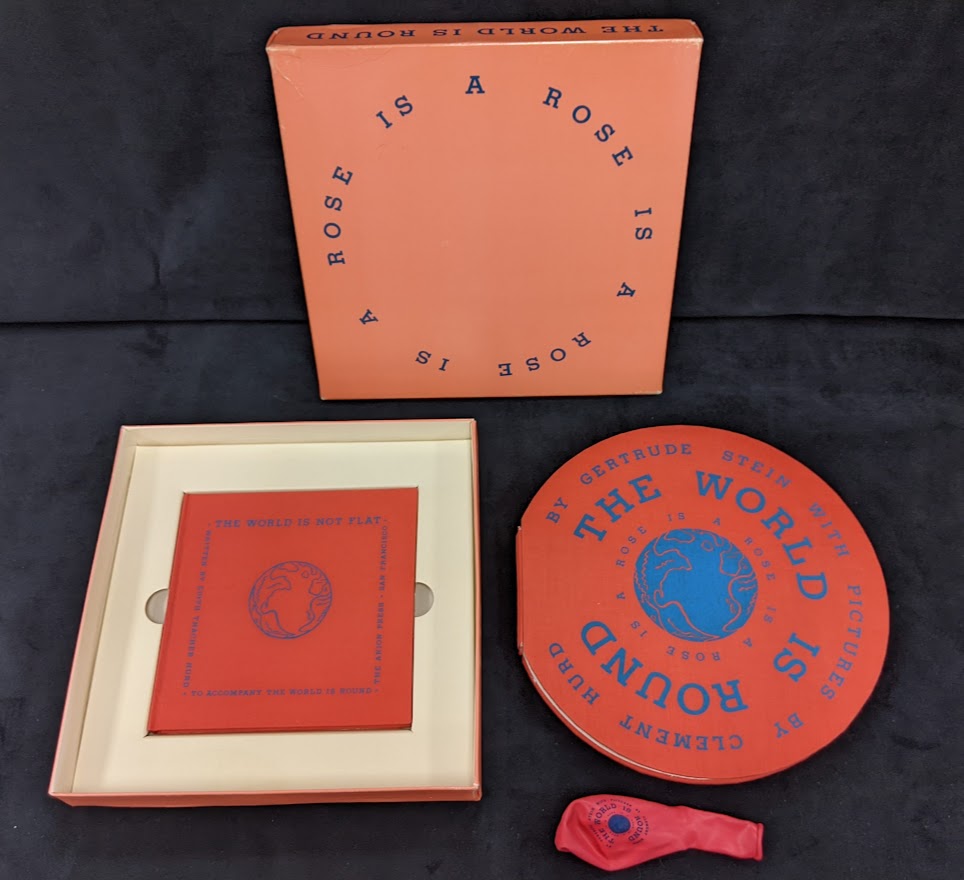
Reimaging a Classic: the Arion Press Edition of “The World Is Round”
Smithsonian Collaborates With Prestel to Publish “Wild Flowers of North America”
What does it take to paint a wildflower that blooms for a single day in a deep forest? For Mary Vaux Walcott, it involved spending up to seventeen hours a day out of doors with her paintbox to capture the shape, movement, and colors of delicate petals and leaves.
Expressing Elegance in a Funeral Procession
The Trade Literature Collection gives us a small glimpse into the past. It includes catalogs on a variety of topics, including undertakers’ supplies. These catalogs illustrate coffins, grave guards, and even fashion for the deceased.
AVMPI: From Aquariums to Archives
During American Archives Month, we’re highlighting the work of our Audiovisual Media Preservation Initiative in a series of posts. This is the third post in the series.
It’s Alive! Arion Press’ Frankenstein; or, the Modern Prometheus
“It’s alive!” During the spooky season celebrated around Halloween, decorations and costumes of classic pop culture creatures abound, like Dracula, the Wolfman, and Frankenstein’s monster himself. Our modern conception of Frankenstein is a loveable zombie, tall and dopey with green skin and spiky hair, bolts and stitches. Originally published in 1818, Frankenstein, or The Modern Prometheus actually tells the story of Dr.
A Dash Through the Snow on a Sleigh
Imagine riding through a landscape blanketed in snow. Whether it’s a family outing, a trip to deliver goods, or simply a pleasure ride, this early 20th Century sleigh catalog includes a few possibilities.
The trade catalog is titled Catalogue No. 43 (1906-1907) by Sturtevant-Larrabee Co. Tucked inside its front pages is an accompanying Price List of Cutters and Sleighs, in effect July 1, 1907.
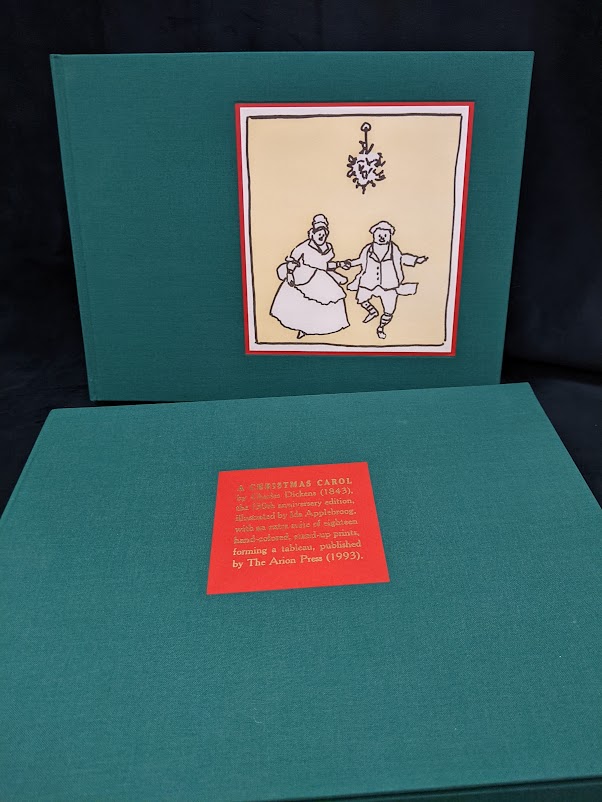
A Christmas Carol Imagined by Arion Press and Ida Applebroog
Join us for “AVMPI Presents A Zoom With a View”
Every recording saved is a story rediscovered.
The Smithsonian Libraries and Archives recently launched the Audiovisual Media Preservation Initiative (AVMPI) to describe, preserve, and provide access to audiovisual collections across the Smithsonian. In this online program, we’ll introduce AVMPI, meet the media experts behind it, and preview some of the video material they’re working on.
Researching Russia Leather
Smithsonian Libraries and Archives’ new exhibition, “Nature of the Book“, explores the use of natural materials in books from the hand-press era, from the mid-1400s through the mid-1800s. One of the materials the exhibition examines is leather, which was commonly used for book coverings.
Introducing the #FunnList
This Black History Month, we’re excited to introduce the #FunnList: a spotlight on Black women in science from Smithsonian history.
The Funn List builds off the Smithsonian Funk List, the brainchild and namesake of Vicki Funk (1947-2019). Now maintained by American Women’s History Initiative Digital Curator Liz Harmon, the Funk List is an ever-expanding data set documenting over five hundred Smithsonian women in science, past and present.
Ascending Pikes Peak in a Locomobile
Two men set off to ascend a mountain located in Colorado called Pikes Peak. Their transportation was a vehicle called the Locomobile, and this trade catalog traces their journey on an August day over a century ago.
The ABCs of the Corcoran Artist Files: the Ls
In the series called “The ABCs of the Corcoran Artist Files” the American Art and Portrait Gallery (AA/PG) Library will explore artists through the materials from the recent Corcoran Vertical File Collection donation by featuring artists whose surnames begin with that letter. This time we are looking at the artists whose last names start with L.
Using Motion to Create Space in Libraries
It seems as if libraries have always had the challenge of shelving more books in less space. How did libraries in the late 19th century deal with space constraints? One possibility involves motion.
A Catalog Reveals a Special Sale of Horses
The Trade Literature Collection covers a multitude of subjects. As might be expected, many of the catalogs advertise products.
Celebrating Success with Award Designs from the Past
Trophies, cups, and plaques. These are typical awards that might be presented at a ceremony today. How were these types of awards designed in the past? Are there similarities or differences? This catalog might provide a few clues.
Meet Author, Suffragist, and Minister Phebe Hanaford
Daughters of America is a book in our Digital Library that I find myself turning to time and again when researching blog posts or highlighting 19th-century women on our social media platforms. This book contains the biographies of First Ladies and genteel writers that you might expect from a publication of the time, but also women scientists, inventors, doctors, lawyers, abolitionists, and suffragists.
Sonic Strategies in the Library
This exhibition and blog post were curated and written by Joana Stillwell.
Through the Loupe: Rick Prelinger
This is the fifth in a series of ongoing blog posts from Smithsonian Libraries and Archives’ Audiovisual Media Preservation Initiative (AVMPI), spotlighting the labor of Smithsonian media collections staff across the Institution, and the first to feature a past Smithsonian worker.
Traveling Trunks Available for Borrowing
As we gear up for the upcoming school year, the Education Team at Smithsonian Libraries and Archives wants to remind you of our growing fleet of Traveling Trunks! These interactive educational resources are available for teachers and schools across the country. This program is free of charge and trunks can be lent for up to four weeks.
Processing Personalities: Ephemera Research at the AA/PG Library
It’s interesting to think of how much of our everyday culture goes unnoticed, lost to time and simple decomposition. The newspaper someone tossed yesterday turns to mush in a landfill pile. The gilt invite you saved from your alma mater’s 15th reunion is lost in a pile of documents, kids’ art projects, and bills. The sticky note with your to-do list gets stuck to the bottom of your shoe and wears away as you walk to work one day.
In Search of the Perfect Blue
The color blue has had a long history in the Western world. The ever-changing role of blue has been used in bookbinding and the book arts to color manuscripts, maps, and scientific illustrations. Colorants used in inks, paints, and dyes have come from a variety of natural sources, including clays, gems, plants, and insects. Blue pigments were first made from imported minerals from Central Asia, eventually shifting to local resources within Europe.
Diving into the Zoological Gardens and Aquariums Ephemera Collection
The Zoological Gardens and Aquariums Ephemera Collection began as an all-call for interesting memorabilia relating to zoos, aquariums, gardens, or the societies that support such institutions. Many items were received, cataloged, and filed in cabinets located in the former library space at the National Zoological Park (Rock Creek Park, Washington, DC). A previous attempt was made to rehouse, organize, and digitize parts of the collection, but the project was left incomplete.
Exploring Yellowstone in 1919
Camping, hiking, and enjoying the outdoors are common summer pastimes. This trade catalog from 1919 shows how visitors in the early 20th Century might have explored the wonders of Yellowstone National Park.
Lost in the Vertical Files
My name’s Dawson, and over the summer I worked as an intern at the Hirshhorn Museum and Sculpture Garden Library in DC. I’m currently an Art History and Visual Culture student at Bard College. I applied to the internship last spring with only a little archival experience under my belt, and no idea of how I would live in DC if I even got the position. It was a total leap of faith, and I’m still a little surprised I landed on two feet.
Curiosity Preserved the (AV) Memories
“When did I get my first TV? When I was eight?”
*Mom laughs* “More like when you were one…”
Snacking While Out and About a Century Ago
What do you do when you are out and about and have a craving for a quick snack? Shoppers, picnickers, theatregoers, or someone simply out for a stroll in the early 20th Century might have stumbled across a popcorn and peanut machine like one shown in this trade catalog.
