
Exhibitions related to No name
Primary tabs
Pages
 |
A Jules Verne Centennial: 1905 - 2005The Smithsonian Institution Libraries is fortunate to have a few early editions of Verne's works with the original engraved illustrations which made his works so popular. |
|
|
A Jules Verne Centennial: 1905 - 2005The Smithsonian Institution Libraries is fortunate to have a few early editions of Verne's works with the original engraved illustrations which made his works so popular. |
|
|
A Jules Verne Centennial: 1905 - 2005The Smithsonian Institution Libraries is fortunate to have a few early editions of Verne's works with the original engraved illustrations which made his works so popular. |
 |
An Odyssey in Print: Adventures in the Smithsonian LibrariesThroughout time, explorers have drawn readers to faraway places through stories and songs, maps and drawings, manuscripts and books. Their intriguing accounts of the new and unknown have brought the world closer to those left at home. |
 |
Artists' Books and AfricaSince artists’ books are not normally associated with African art, our goal in this exhibition is to introduce the genre and survey its “African” manifestations. Opens September 16, 2015 at the National Museum of African Art in Washington, DC. |
|
|
Artists' Books and AfricaSince artists’ books are not normally associated with African art, our goal in this exhibition is to introduce the genre and survey its “African” manifestations. Opens September 16, 2015 at the National Museum of African Art in Washington, DC. |
|
|
Artists' Books and AfricaSince artists’ books are not normally associated with African art, our goal in this exhibition is to introduce the genre and survey its “African” manifestations. Opens September 16, 2015 at the National Museum of African Art in Washington, DC. |
|
|
Artists' Books and AfricaSince artists’ books are not normally associated with African art, our goal in this exhibition is to introduce the genre and survey its “African” manifestations. Opens September 16, 2015 at the National Museum of African Art in Washington, DC. |
 |
By Aeroplane to Pygmyland |
|
|
By Aeroplane to Pygmyland |
|
|
By Aeroplane to Pygmyland |
|
|
By Aeroplane to Pygmyland |
|
|
By Aeroplane to Pygmyland |
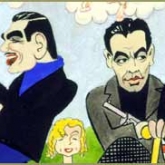 |
Celebrity Caricature: Selections from the Smithsonian Institution LibrariesIn the late 1990's the Smithsonian American Art Museum and the National Portrait Gallery Library (AA/PG Library) made a special effort to collect materials on caricature and cartoon in conjunction with the National Portrait Gallery's 1998 exhibition "Celebrity Caricature in America", curated by Wendy Wick Reaves. |
|
|
Celebrity Caricature: Selections from the Smithsonian Institution LibrariesIn the late 1990's the Smithsonian American Art Museum and the National Portrait Gallery Library (AA/PG Library) made a special effort to collect materials on caricature and cartoon in conjunction with the National Portrait Gallery's 1998 exhibition "Celebrity Caricature in America", curated by Wendy Wick Reaves. |
 |
Chasing Venus: Observing the Transits of Venus 1631-2004For ages, astronomers looked for a way to measure the distance between Earth and the Sun. This distance, called the astronomical unit was a yardstick that could measure the entire solar system. Since the astronomer Johannes Kepler had determined the relative distances among the planets and the Sun in the early 1600s, the Earth-Venus distance could be used to calculate the Earth-Sun distance. |
|
|
Chasing Venus: Observing the Transits of Venus 1631-2004For ages, astronomers looked for a way to measure the distance between Earth and the Sun. This distance, called the astronomical unit was a yardstick that could measure the entire solar system. Since the astronomer Johannes Kepler had determined the relative distances among the planets and the Sun in the early 1600s, the Earth-Venus distance could be used to calculate the Earth-Sun distance. |
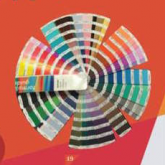 |
Color in a New LightName a topic that links science, history, art, and culture. How about color? Let’s follow the theme of color through the vast collections of the Smithsonian Libraries, and make a few unexpected connections and discoveries. Color in a New Light launched in January 2016 and will run for 14 months in the National Museum of Natural History in Washington, DC. |
|
|
Color in a New LightName a topic that links science, history, art, and culture. How about color? Let’s follow the theme of color through the vast collections of the Smithsonian Libraries, and make a few unexpected connections and discoveries. Color in a New Light launched in January 2016 and will run for 14 months in the National Museum of Natural History in Washington, DC. |
|
|
Color in a New LightName a topic that links science, history, art, and culture. How about color? Let’s follow the theme of color through the vast collections of the Smithsonian Libraries, and make a few unexpected connections and discoveries. Color in a New Light launched in January 2016 and will run for 14 months in the National Museum of Natural History in Washington, DC. |
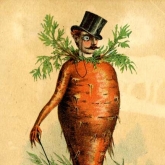 |
Cultivating America’s GardensSmithsonian Libraries and Smithsonian Gardens have partnered to bring you a snapshot of the history and culture of the American Garden from the colonial era to the present day. Visit the exhibition in the National Museum of American History in Washington, DC through August 2018. |
|
|
Cultivating America’s GardensSmithsonian Libraries and Smithsonian Gardens have partnered to bring you a snapshot of the history and culture of the American Garden from the colonial era to the present day. Visit the exhibition in the National Museum of American History in Washington, DC through August 2018. |
|
|
Cultivating America’s GardensSmithsonian Libraries and Smithsonian Gardens have partnered to bring you a snapshot of the history and culture of the American Garden from the colonial era to the present day. Visit the exhibition in the National Museum of American History in Washington, DC through August 2018. |
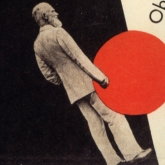 |
Czech Book Covers of the 1920's and 1930's in the Cooper-Hewitt National Design Museum LibraryDuring the period between the two World Wars, the Czechoslovak Republic was an important and prolific center for avant-garde book design. Signed, limited editions showcased experimental design techniques, high-quality materials, and specially commissioned graphics. Book design for the general public, although mass-produced and much more affordable, was similarly innovative and attentive to questions of design. |
|
|
Czech Book Covers of the 1920's and 1930's in the Cooper-Hewitt National Design Museum LibraryDuring the period between the two World Wars, the Czechoslovak Republic was an important and prolific center for avant-garde book design. Signed, limited editions showcased experimental design techniques, high-quality materials, and specially commissioned graphics. Book design for the general public, although mass-produced and much more affordable, was similarly innovative and attentive to questions of design. |
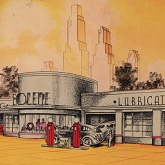 |
Doodles, Drafts & Designs: Industrial Drawings from the SmithsonianHow do ideas evolve into reality? Doodles, Drafts, and Designs: Industrial Drawings from the Smithsonian offers a fascinating glimpse into inventors' sketchbooks, engineers' mechanical drawings, and architects' renderings from the 1830s to the 1990s, to show the origins of some of the most familiar sites and devices of modern-day life. |
|
|
Doodles, Drafts & Designs: Industrial Drawings from the SmithsonianHow do ideas evolve into reality? Doodles, Drafts, and Designs: Industrial Drawings from the Smithsonian offers a fascinating glimpse into inventors' sketchbooks, engineers' mechanical drawings, and architects' renderings from the 1830s to the 1990s, to show the origins of some of the most familiar sites and devices of modern-day life. |
|
|
Doodles, Drafts & Designs: Industrial Drawings from the SmithsonianHow do ideas evolve into reality? Doodles, Drafts, and Designs: Industrial Drawings from the Smithsonian offers a fascinating glimpse into inventors' sketchbooks, engineers' mechanical drawings, and architects' renderings from the 1830s to the 1990s, to show the origins of some of the most familiar sites and devices of modern-day life. |
|
|
Doodles, Drafts & Designs: Industrial Drawings from the SmithsonianHow do ideas evolve into reality? Doodles, Drafts, and Designs: Industrial Drawings from the Smithsonian offers a fascinating glimpse into inventors' sketchbooks, engineers' mechanical drawings, and architects' renderings from the 1830s to the 1990s, to show the origins of some of the most familiar sites and devices of modern-day life. |
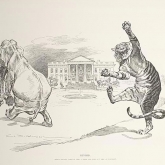 |
Drawing from Life: Caricatures and Cartoons from the American Art / Portrait Gallery CollectionThe Smithsonian Institution Libraries has a substantial collection of cartoon and caricature books, including rare and special collections titles which date from 1800. Numbering over 600 volumes, this growing collection has a strong focus on works by American artists - the oldest dating to the Civil War period. |
|
|
Drawing from Life: Caricatures and Cartoons from the American Art / Portrait Gallery CollectionThe Smithsonian Institution Libraries has a substantial collection of cartoon and caricature books, including rare and special collections titles which date from 1800. Numbering over 600 volumes, this growing collection has a strong focus on works by American artists - the oldest dating to the Civil War period. |
 |
Fantastic WorldsTravel with us to the surface of the moon, the center of the earth, and the depths of the ocean — to the fantastic worlds of fiction inspired by 19th-century discovery and invention. Now open at the National Museum of American History in Washington, DC. |
|
|
Fantastic WorldsTravel with us to the surface of the moon, the center of the earth, and the depths of the ocean — to the fantastic worlds of fiction inspired by 19th-century discovery and invention. Now open at the National Museum of American History in Washington, DC. |
|
|
Fantastic WorldsTravel with us to the surface of the moon, the center of the earth, and the depths of the ocean — to the fantastic worlds of fiction inspired by 19th-century discovery and invention. Now open at the National Museum of American History in Washington, DC. |
|
|
Fantastic WorldsTravel with us to the surface of the moon, the center of the earth, and the depths of the ocean — to the fantastic worlds of fiction inspired by 19th-century discovery and invention. Now open at the National Museum of American History in Washington, DC. |
|
|
Fantastic WorldsTravel with us to the surface of the moon, the center of the earth, and the depths of the ocean — to the fantastic worlds of fiction inspired by 19th-century discovery and invention. Now open at the National Museum of American History in Washington, DC. |
|
|
Fantastic WorldsTravel with us to the surface of the moon, the center of the earth, and the depths of the ocean — to the fantastic worlds of fiction inspired by 19th-century discovery and invention. Now open at the National Museum of American History in Washington, DC. |
 |
Fold, Pull, Pop and TurnPaper Engineering: Fold, Pull, Pop, Turn presents more than 50 examples of action-packed constructions and inspired works of art spanning 500 years. We hope exhibition visitors will experience these rarely seen treasures as their creators intended—as remarkable works that calculate, educate, entertain, and amaze. |
|
|
Fold, Pull, Pop and TurnPaper Engineering: Fold, Pull, Pop, Turn presents more than 50 examples of action-packed constructions and inspired works of art spanning 500 years. We hope exhibition visitors will experience these rarely seen treasures as their creators intended—as remarkable works that calculate, educate, entertain, and amaze. |
 |
From Horses to Horsepower: Studebaker Helped Move a NationStudebaker's long standing commitment to quality and value made it one of the automotive giants prior to the Great Depression, often being among the first manufacturers to introduce new technology or safety features, such as four-wheel hydraulic brakes in 1925. Barely surviving the 1930s, Studebaker resumed its innovative heritage with some of the first new designs to follow World War II. Postwar Studebaker automobiles, largely due to their association with Raymond Loewy, are still considered to be classics of modern industrial design. |
|
|
From Horses to Horsepower: Studebaker Helped Move a NationStudebaker's long standing commitment to quality and value made it one of the automotive giants prior to the Great Depression, often being among the first manufacturers to introduce new technology or safety features, such as four-wheel hydraulic brakes in 1925. Barely surviving the 1930s, Studebaker resumed its innovative heritage with some of the first new designs to follow World War II. Postwar Studebaker automobiles, largely due to their association with Raymond Loewy, are still considered to be classics of modern industrial design. |
|
|
From Horses to Horsepower: Studebaker Helped Move a NationStudebaker's long standing commitment to quality and value made it one of the automotive giants prior to the Great Depression, often being among the first manufacturers to introduce new technology or safety features, such as four-wheel hydraulic brakes in 1925. Barely surviving the 1930s, Studebaker resumed its innovative heritage with some of the first new designs to follow World War II. Postwar Studebaker automobiles, largely due to their association with Raymond Loewy, are still considered to be classics of modern industrial design. |
 |
From Smithson to Smithsonian: The Birth of an InstitutionThis exhibition highlights the life of James Smithson, the English scientist who bequeathed his fortune to the United States to establish an institution "for the increase and diffusion of knowledge." The exhibition tells of the retrieval of the bequest from Great Britain, and describes the controversy this bequest provoked in the United States, up until the 1846 founding of the Smithsonian Institution. |
|
|
From Smithson to Smithsonian: The Birth of an InstitutionThis exhibition highlights the life of James Smithson, the English scientist who bequeathed his fortune to the United States to establish an institution "for the increase and diffusion of knowledge." The exhibition tells of the retrieval of the bequest from Great Britain, and describes the controversy this bequest provoked in the United States, up until the 1846 founding of the Smithsonian Institution. |
|
|
From Smithson to Smithsonian: The Birth of an InstitutionThis exhibition highlights the life of James Smithson, the English scientist who bequeathed his fortune to the United States to establish an institution "for the increase and diffusion of knowledge." The exhibition tells of the retrieval of the bequest from Great Britain, and describes the controversy this bequest provoked in the United States, up until the 1846 founding of the Smithsonian Institution. |
|
|
From Smithson to Smithsonian: The Birth of an InstitutionThis exhibition highlights the life of James Smithson, the English scientist who bequeathed his fortune to the United States to establish an institution "for the increase and diffusion of knowledge." The exhibition tells of the retrieval of the bequest from Great Britain, and describes the controversy this bequest provoked in the United States, up until the 1846 founding of the Smithsonian Institution. |
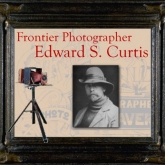 |
Frontier Photographer: Edward S. CurtisEdward S. Curtis (1868-1952) left an indelible mark on the history of photography in his 20-volume life's work, The North American Indian. |
|
|
Frontier Photographer: Edward S. CurtisEdward S. Curtis (1868-1952) left an indelible mark on the history of photography in his 20-volume life's work, The North American Indian. |
|
|
Frontier Photographer: Edward S. CurtisEdward S. Curtis (1868-1952) left an indelible mark on the history of photography in his 20-volume life's work, The North American Indian. |
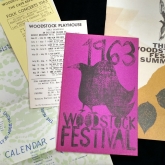 |
Igniting Artistic ConsciousnessThe AA/PG Library received the donation of ephemera for more than 3,000 artists from the Art Students League of New York (ASL) in January 2017. The exhibition will be on view in the AA/PG Library Reading Room from August-December, 2017. |
